Japan in winter is brilliant: crisp clear days, hot pot, onsen and illuminations everywhere. But it catches first-timers out. Here are five mistakes to skip, and how to plan a winter trip that works with the season instead of against it.
A few winter words
- お正月 oshōgatsu: the New Year holiday. In Japan, New Year’s Eve and the first days of January are the big holiday, and Christmas is more of a token event (JNTO).
- 初詣 hatsumōde: the first shrine or temple visit of the year, to pray for good fortune (JNTO).
- 鍋 nabe: hot pot, the dish that makes a cold night worth it (JNTO).
- イルミネーション irumineeshon: winter illuminations. You’ll find them all over Japan in December (JNTO).
1. Planning summer-length days
Skip this: an itinerary that expects daylight until 7pm. In Tokyo in December 2026, the sun sets at 16:28 on the 1st and 16:37 on the 31st (National Astronomical Observatory of Japan). By about 4:30pm, it’s dark.
Do this instead: start early and put temples, gardens and viewpoints in the morning. Save the evenings for the things winter does best: illuminations, hot pot and an onsen.
2. Forgetting the New Year closures
Skip this: arriving on 30 December with no meal plans. The oshōgatsu holiday typically runs from 29 December to 3 January, depending on how the days fall (JNTO), and many businesses close for several days (JNTO). JNTO’s winter guide puts it bluntly: during the New Year holidays, most restaurants and attractions shut down, so plan ahead (JNTO).
Do this instead: check each place’s own website for its holiday hours, as JNTO suggests (JNTO), and book the meals that matter. Many convenience stores stay open 24 hours, even on holidays, so you won’t go hungry (JNTO). Then do what locals do. Many shrines hold events on New Year’s Eve (JNTO), and on the first day of the year, many locals head to a temple or shrine for hatsumōde (JNTO).
3. Expecting snow in the big cities
Skip this: packing for a snowy Tokyo. It rarely snows in most of Japan’s big cities. The snow you picture is mostly in the mountains and the north (JNTO).
Do this instead: if snow is the dream, plan one stop in the mountains or the north, and pair it with an onsen. Look for a 雪見 yukimi onsen, literally “snow-viewing”: an outdoor bath with a winter view (JNTO).
4. Dressing for Tokyo and freezing in Kyoto
Sunny winter days in Tokyo can feel warm, but Kyoto gets surprisingly cold (JNTO). JNTO also says a warm winter jacket is a necessity wherever you travel (JNTO).
Do this instead: bring a proper jacket and dress in layers you can take off. Trains and shops can be warm inside, so layers you can peel off make the day much easier.
5. Arriving at the illuminations right at lights-on
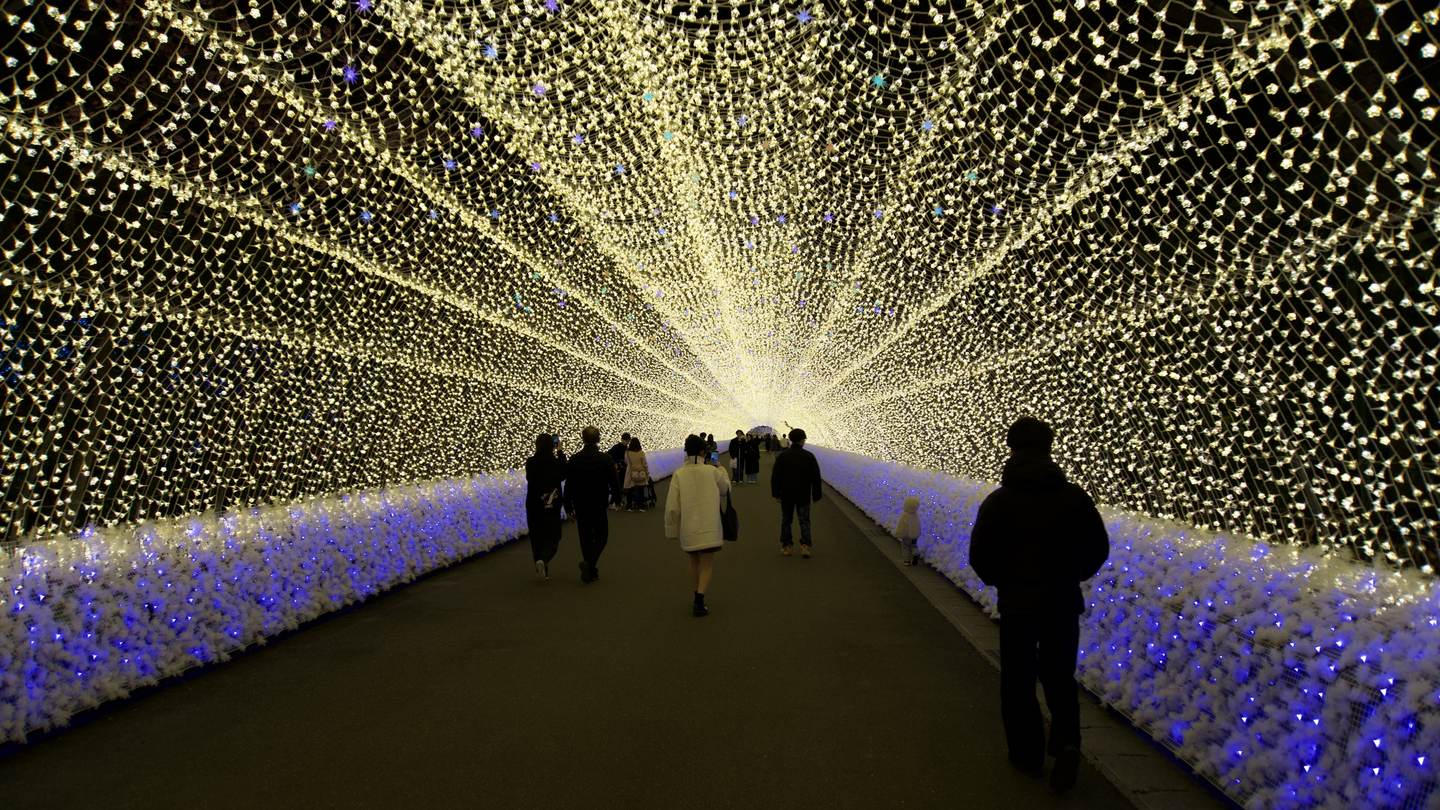
We went to Nabana no Sato, near Nagoya, in late February. The 200-metre light tunnel alone is worth the trip, but a few small things decide whether your night feels magic or like one long queue in the cold.
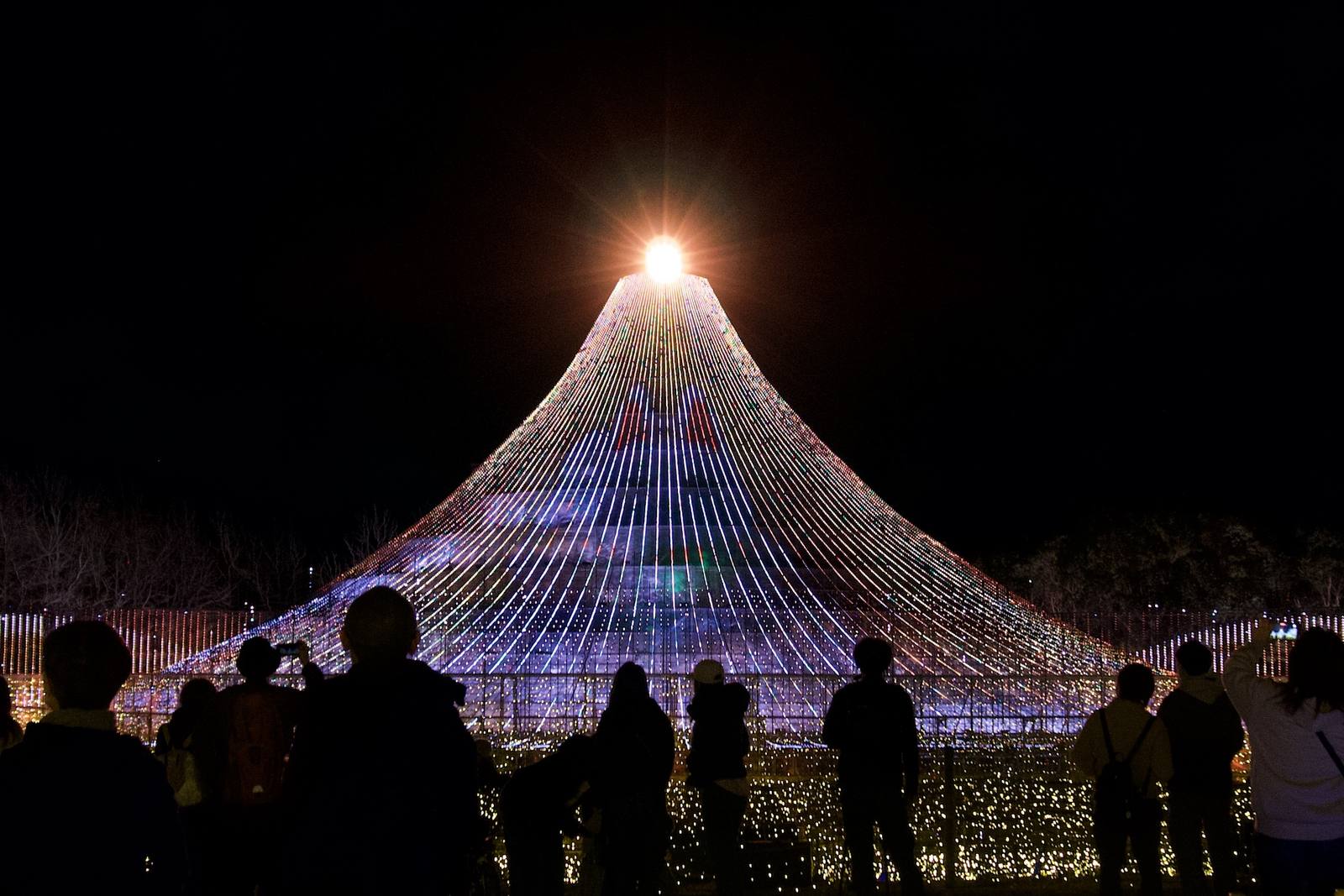
Skip this: turning up exactly at lights-on, when everyone else does. Do this instead: follow the park’s own tip. It suggests relaxing in the warm Begonia Garden from before lights-on until about 30 minutes after, then heading out once the paths have cleared (Nabana no Sato). Lights-on follows sunset, so the time shifts through the season, and the park stays open and lit on rainy days (Nabana no Sato). The park also asks visitors to buy tickets at a convenience store first, because getting one at the gate can take 30 minutes or more (Nabana no Sato).
This season runs until 31 May 2027, with the park closed on 6 and 7 January (Nabana no Sato, as of November 2026). And rug up. Winter nights out there are cold.
Your winter checklist
- Sights in the morning. It’s dark by about 4:30pm in Tokyo in December.
- Check holiday hours for 29 December to 3 January, place by place.
- Snow is in the mountains and the north, not the city streets.
- A warm jacket, plus layers for warm trains and shops.
- Illuminations: buy tickets ahead and skip the lights-on rush.
Planning a winter trip for the family and would rather locals designed it? Book a free 45-minute Japan Roadmap call with Joshua. Just starting out? Start here. Landing in Tokyo? Our free Tokyo guide is a good first read.
Japan in winter FAQ
What time does it get dark in Tokyo in December?
Early. In December 2026 the sun sets in Tokyo between 16:28 and 16:37 (NAOJ). Plan your sightseeing for the morning and early afternoon.
Is Japan closed over New Year?
Not all of it, but a lot is. The holiday typically runs from 29 December to 3 January, and many restaurants and attractions close for several days. Many convenience stores stay open 24 hours, and shrines are busy with New Year visits (JNTO; JNTO). Check each place’s own website.
Does it snow in Tokyo in winter?
Rarely. JNTO says it rarely snows in most of Japan’s metropolitan areas, while the mountains and the north regularly get snow (JNTO).
More seasonal planning is in Seasons & food. Stay warm.
Joshua & Momoka