First time in Kyoto? The mistakes we see most aren’t about money. They’re about time: turning up at the famous temples late, zig-zagging across the city, and going home when it rains. We’ve been to Kyoto a lot, so here are the five we’d fix first, each with what to do instead.
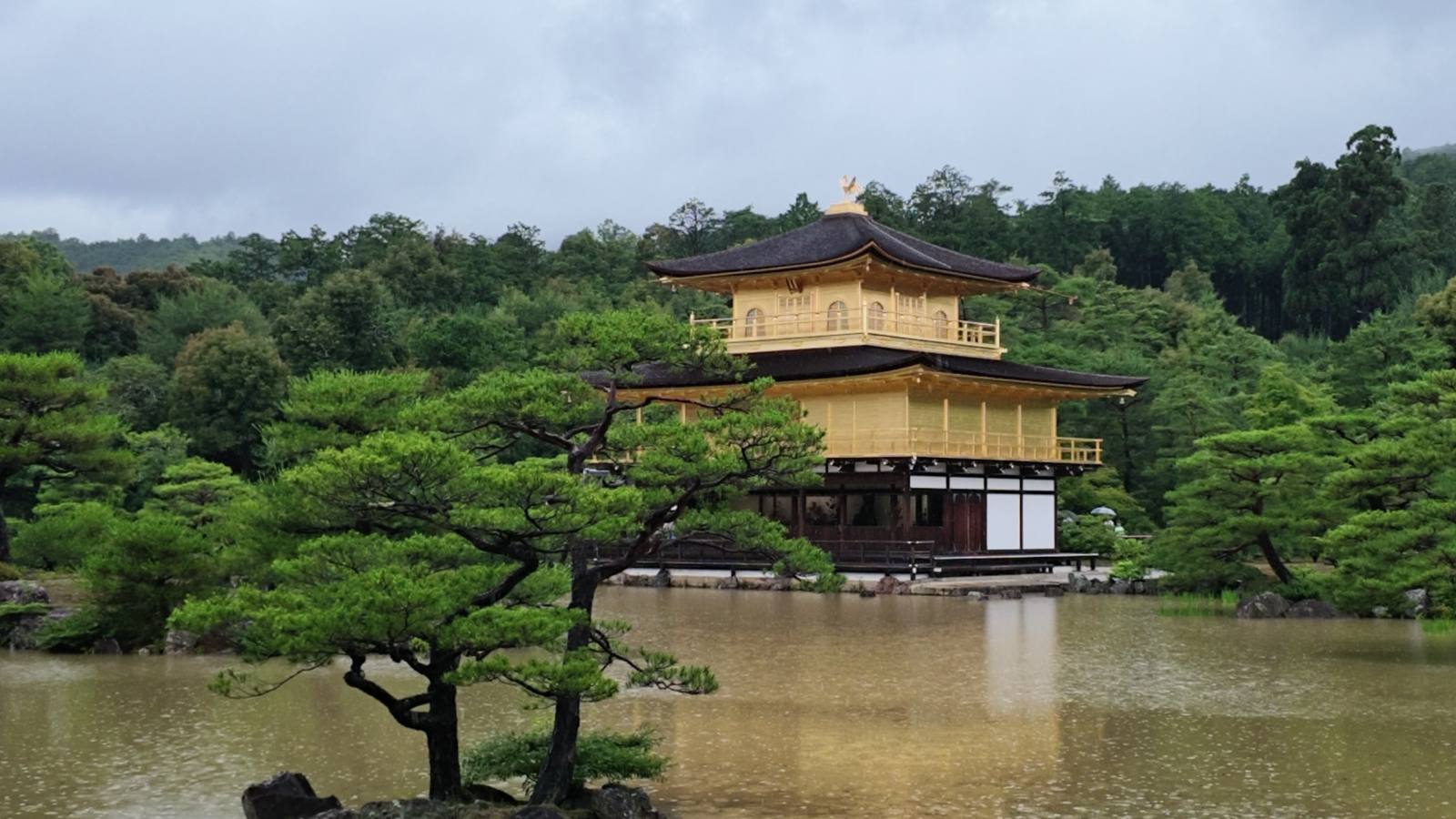
The photos in this post are ours, from a wet day on our June 2026 trip.
1. Turning up at the famous temples late
Skip this: rolling up to Kinkaku-ji, the Golden Pavilion, mid-morning with everyone else. Do this instead: be at the gate when it opens.
Kinkaku-ji’s own site lists its visiting hours as 9:00 to 17:00 (Shokoku-ji, as of November 2026). Kyoto’s tourism association even has a page for what it calls morning sightseeing, meaning anything before 9am (Kyoto Travel: Morning & Night). Its Kyoto Smart Navi map shows how crowded the big spots are in real time, so check it before you head out (Kyoto Travel, 18 Nov 2026).
Pick your one must-see for the morning and go there first. Everything else can wait until after lunch.
2. Zig-zagging across the city
Skip this: Kinkaku-ji in the morning, Fushimi Inari at lunch, the Arashiyama bamboo grove in the afternoon. On a map it looks doable. In real life, a big chunk of your day goes on buses and trains.
These three aren’t close to each other. Kinkaku-ji’s address is in Kita ward, in the north of the city (Shokoku-ji). Fushimi Inari’s is in Fushimi ward, down in the south (Fushimi Inari Taisha). Arashiyama sits out in western Kyoto (Kyoto Travel: Areas).
Do this instead: one area a day. Pair each big sight with the streets around it, eat lunch nearby, and let the day breathe. You’ll see more by trying to see less.
3. Going home when it rains
Skip this: cancelling the day because the forecast says rain. Do this instead: pack an umbrella and keep the plan.
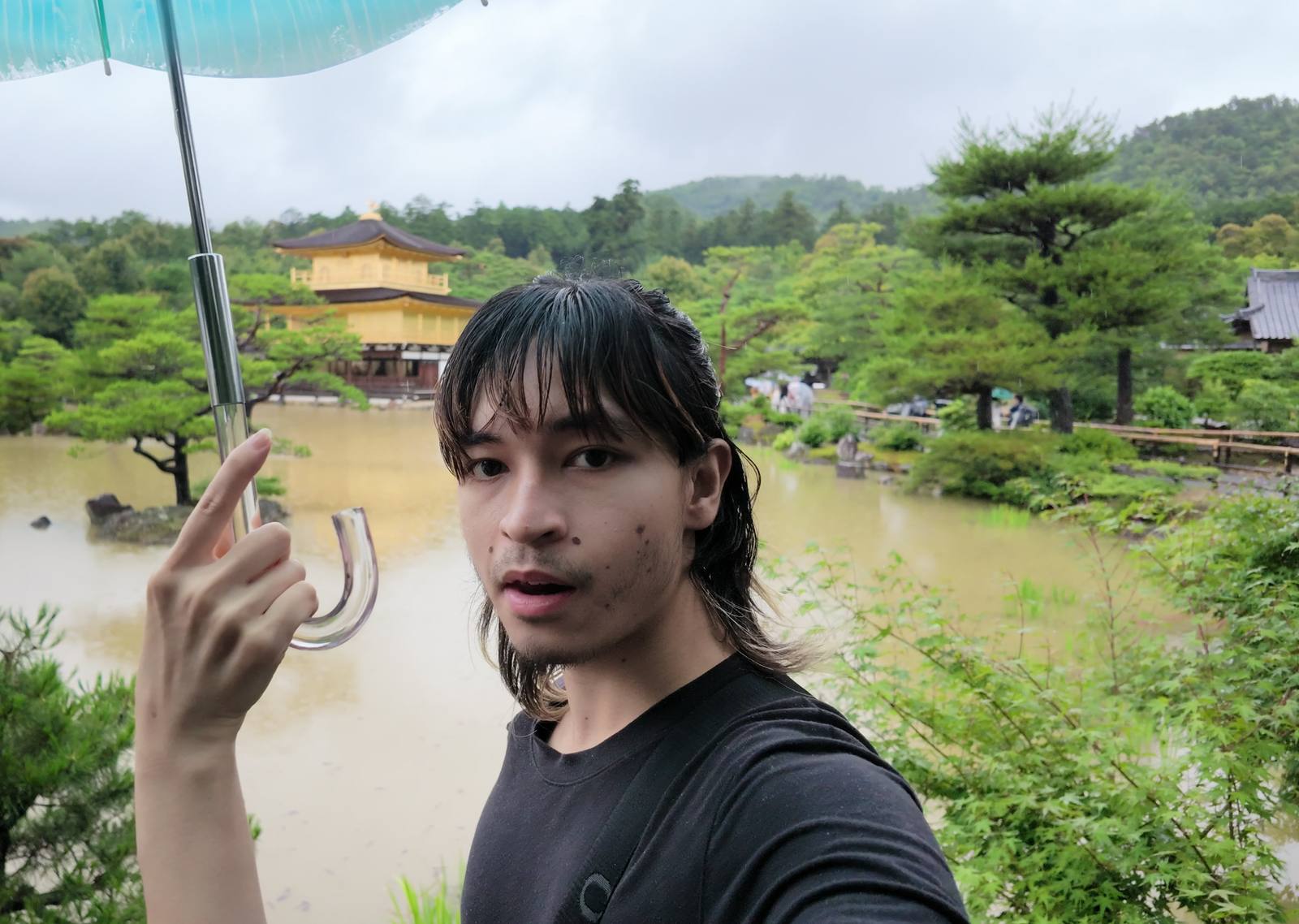
Our photos from Kinkaku-ji and Fushimi Inari were both taken in the rain, on the same June day. The gardens were green, the paths were wet and shiny, and the evening ended up being a highlight (more on that below). Rain changes the light, not the trip.
4. Photographing Gion’s private lanes
Skip this: wandering into Gion’s narrow side lanes for photos, or following geiko and maiko for a picture. Do this instead: stay on the public streets, keep the camera down in the lanes, and never photograph geiko or maiko without permission.
This isn’t us being fussy. Kyoto’s tourism association asks visitors not to touch, chase or photograph geiko and maiko without permission, and not to enter private property. In its words, “Gion is not just a tourist destination; it is a place where people live” (Kyoto Travel: 4 Guidelines, 12 Nov 2026). The same guidelines ask you not to photograph private property, and remind visitors that photography is only permitted in designated areas, so watch for the signs.
5. Only seeing Kyoto by day
This is the one that surprised us. We walked Fushimi Inari at night, in the rain, and it was one of the best evenings of the trip.
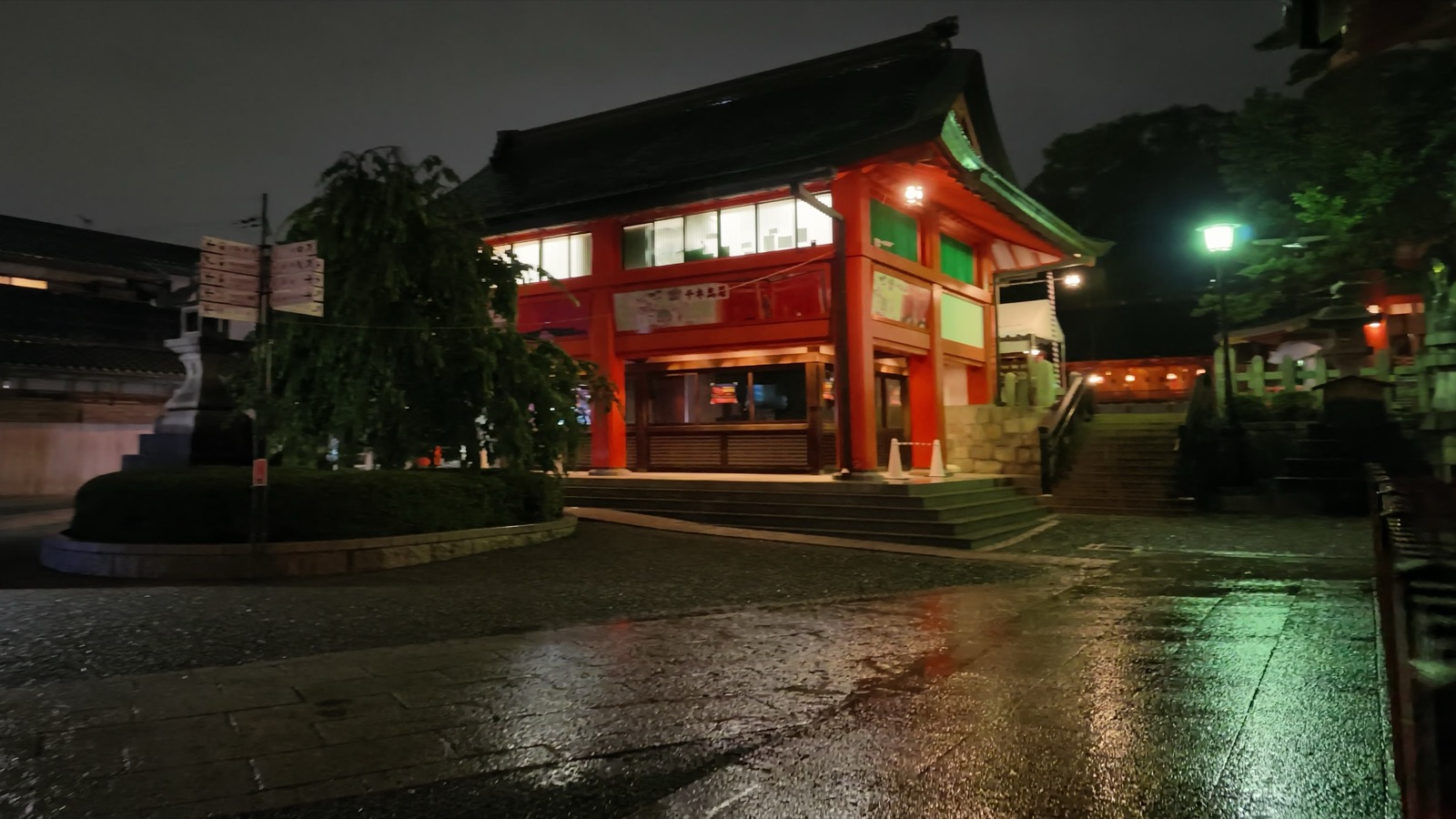
Kyoto’s tourism association counts anything after 6pm as night sightseeing, and says it’s both safe and convenient to get around after dark, even walking alone (Kyoto Travel: Morning & Night). It also asks you to keep your voice down, because so many sights sit right next to people’s homes.
Do this instead: keep one evening free. Eat early, then go for a slow walk.
Three more swaps from my Kyoto tourist traps reel
I made a whole reel on Kyoto’s tourist traps. These three swaps from it still stand:
- Skip the souvenir strip on the way up to Kiyomizu-dera. Do this instead: enjoy the temple itself, then walk the quieter back streets of Higashiyama.
- Skip kimono rental in the busiest tourist streets, where you can end up with a cheap polyester outfit and a five-minute photo shoot in a crowd. Do this instead: look for a well-reviewed local shop.
- Skip the animal cafés. Do this instead: go to a traditional matcha tea ceremony. It’s a way better experience.
Your 30-second Kyoto checklist
- Be at your one must-see temple when it opens.
- One area a day. No zig-zags.
- Umbrella in the bag. The plan stays the same.
- Camera down in Gion’s private lanes. Ask before photographing anyone.
- Keep one evening free for Kyoto after dark.
Planning the whole trip yourself? Japan, in a Weekend is our travel-like-a-local planning kit: a playbook and worksheets that take you from a blank page to a trip that’s ready to book, over one weekend. New to Japan altogether? Start here, and if Tokyo’s on your list too, grab our free Tokyo guide.
Heading to Tokyo or Osaka too? Here are 14 Japan tourist traps to skip, and where locals go instead.
Kyoto FAQ
What time does Kinkaku-ji open?
Kinkaku-ji’s official site lists its visiting hours as 9:00 to 17:00 (Shokoku-ji, as of November 2026). Hours can change, so check the site the week you go.
Can you take photos in Gion?
On public streets, yes, with care. Kyoto asks visitors not to touch, chase or photograph geiko and maiko without permission, and not to photograph or enter private property (Kyoto Travel). If a lane has a no-photo sign, put the camera away.
Is Kyoto worth visiting in the rain?
We think so. The photos in this post are from a wet day in June, and walking Fushimi Inari at night in the rain was one of the best evenings of our trip. Pack an umbrella and keep your plan.
More mistakes to dodge are in Tourist traps & mistakes. See you in Kyoto.
Joshua & Momoka