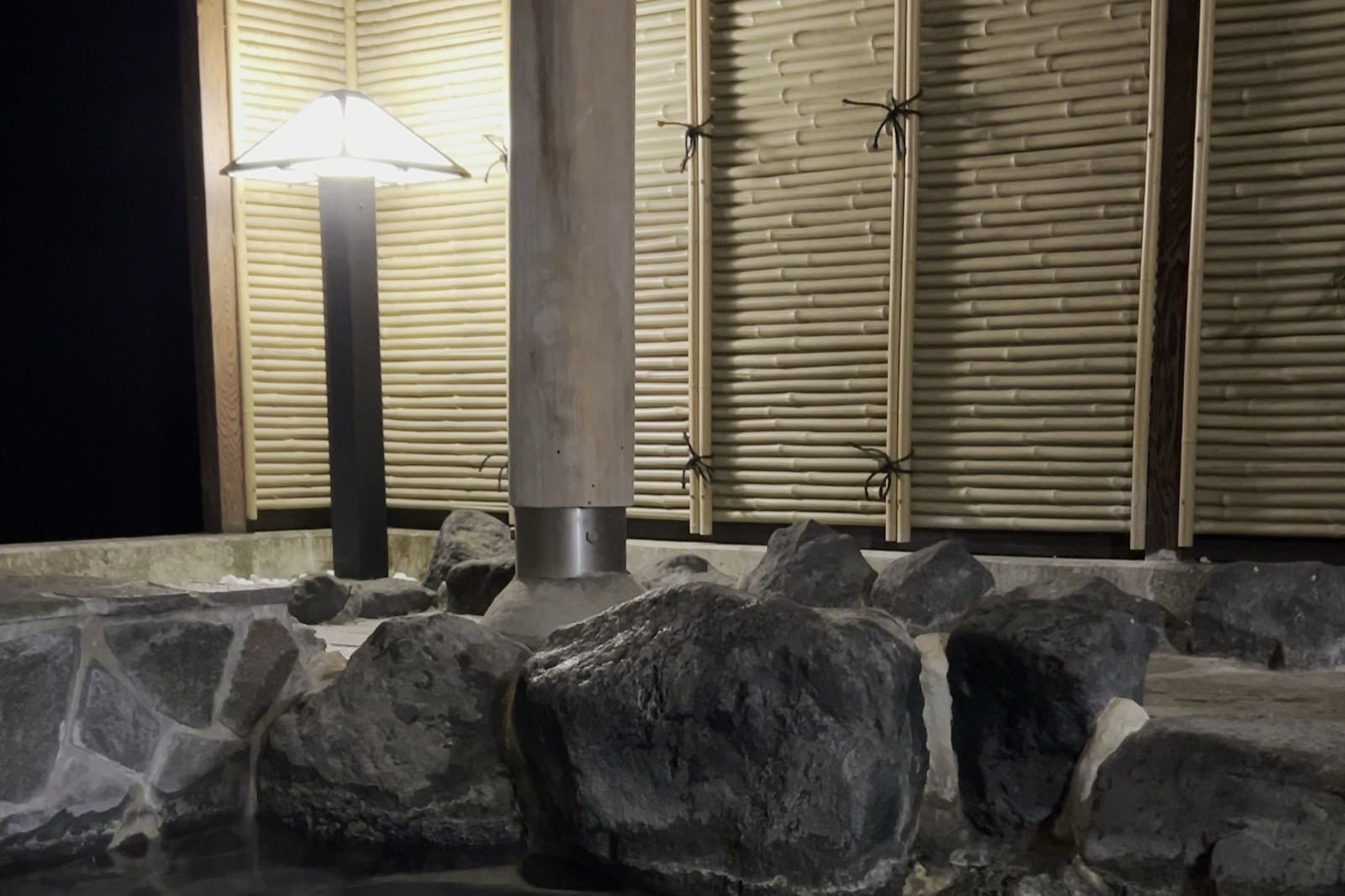
Onsen etiquette looks complicated from the outside, but almost all of it comes from one simple idea: the bath is shared, so the water has to stay clean. Most of these photos are from a ryokan we stayed at in Hakone. An outdoor onsen at night is one of our favourite things to do in Japan, and it’s easy to get wrong the first time.
Here are six first-timer mistakes, the reason behind each one, and what to do instead.
A few words you’ll see
- 温泉 onsen: a hot spring. To be called an onsen, a good part of the water has to come from a natural geothermal source. A 銭湯 sentō is a public bathhouse that usually uses ordinary heated water (JNTO).
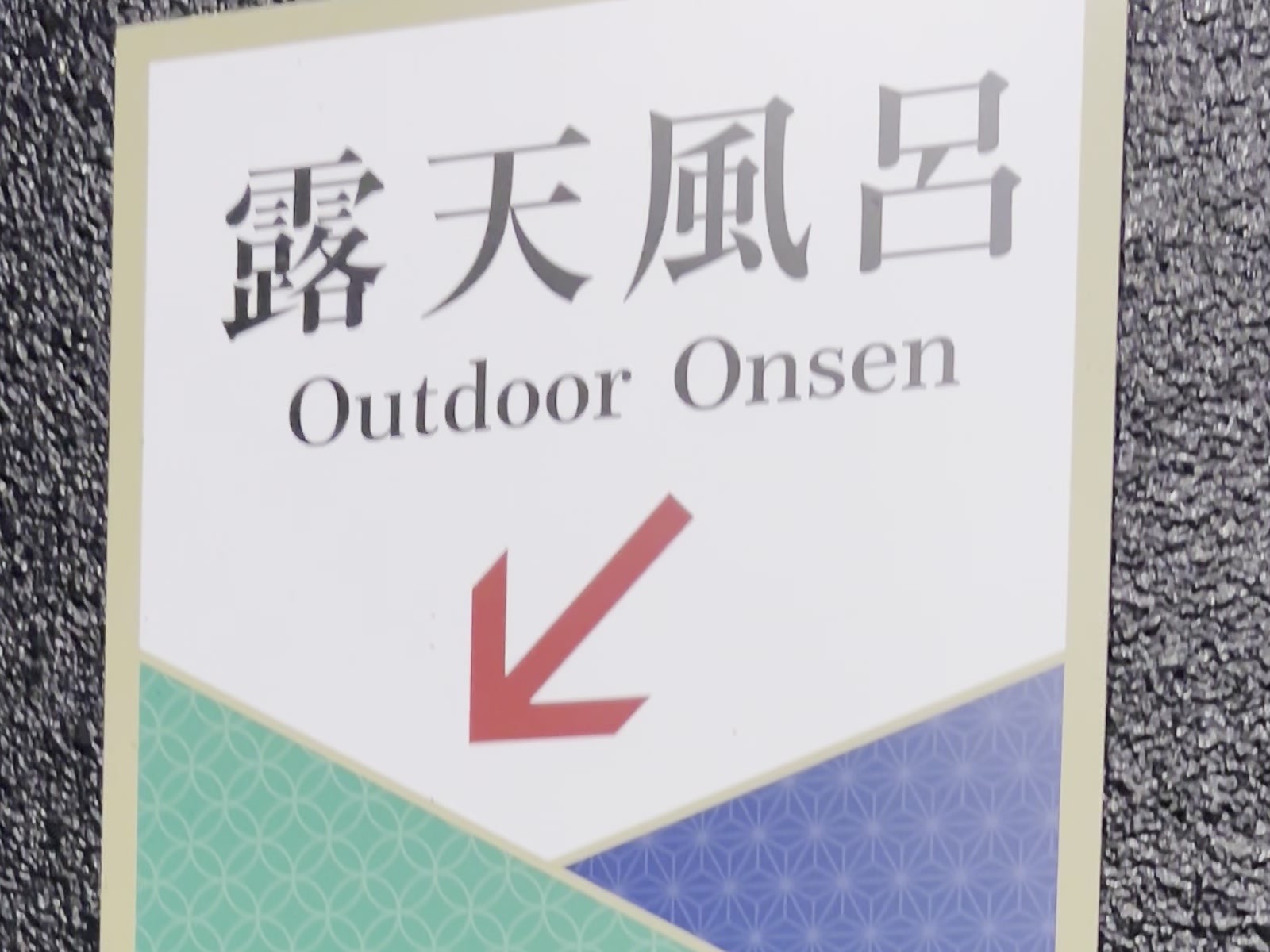
- 露天風呂 rotenburo: an open-air bath. Often the most memorable part (JNTO).
- 貸切風呂 kashikiri-buro: a private bath you reserve for yourself or your group (JNTO).
- 浴衣 yukata: the robe you’ll usually find waiting in your ryokan room (JNTO).
1. Getting in before you wash
Skip this: a quick splash, then straight into the hot water. Do this instead: sit down at the washing area, wash your whole body with soap, rinse well, and only then get in.
This is the big one. The bath is for soaking, not for getting clean.
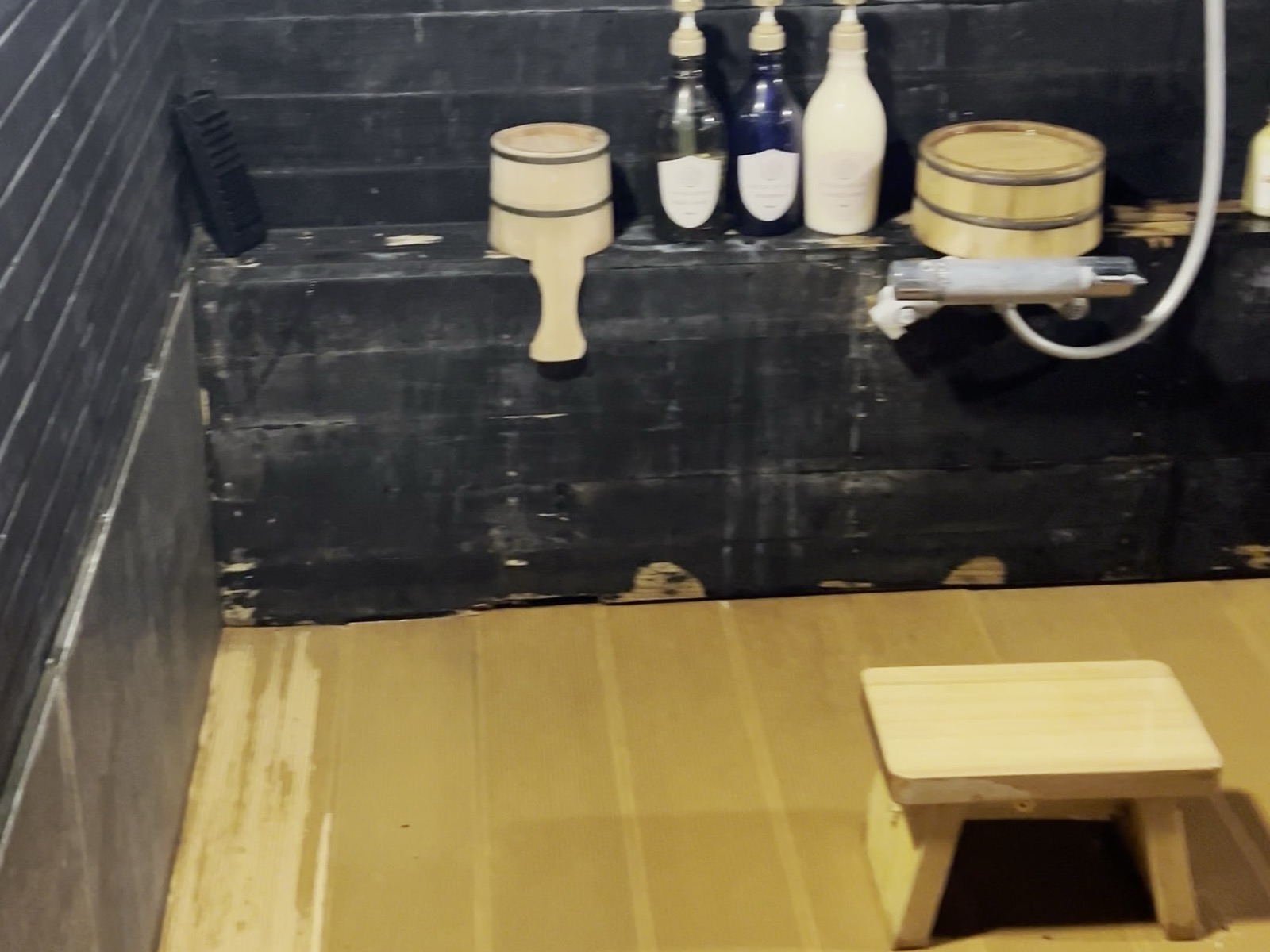
Each shower has a stool and a bucket. Take a seat, pour hot water over yourself, turn the water off when you’re not using it, and try not to splash the person next to you. Most places also put up an instruction poster, so have a look at it (JNTO). Sitting down also keeps the splashing to yourself, which your neighbour will appreciate.
2. Putting your small towel in the water
You’ll usually get a small towel to wash with and to cover yourself while you walk around. Keep it out of the bath water, so the water stays clean for everyone (JNTO). Put it to one side instead (JNTO). Tie up long hair too: even freshly washed hair shouldn’t go in the water (JNTO).
3. Wearing swimwear
Skip this: packing your swimmers. Most onsen ask you to go in fully naked, partly so nothing from a swimsuit gets into the water (JNTO). Most places have separate baths for men and women. A few have shared baths, and those ask for a swimsuit or a bathing garment called a yuami-gi (JNTO).
Do this instead: if being naked in front of strangers is the part you’re dreading, book a kashikiri-buro, or a ryokan room with its own bath. They usually cost more, but you’ll have the hot water all to yourselves (JNTO).
4. Wearing jewellery in the bath
Hot spring water is full of minerals, and depending on the water, jewellery can discolour (JNTO). Leave it in your room or in the changing-room locker. Some places only have a numbered basket instead of a locker, so the room is the safer choice for anything precious.
5. Not checking the tattoo rules before you book
Many hot springs and bathhouses still don’t allow tattoos, though rules vary by place. In Japan, tattoos were long linked with crime, which is where these rules come from, even if attitudes are changing (JNTO). The safest option is to check before you book, or to cover a small tattoo with a waterproof bandage (JNTO).
Not sure? Ask at the front desk: タトゥーが入っているのですが、大丈夫でしょうか? (Tatū ga haitte iru no desu ga, daijōbu deshō ka?), which means “I do have a tattoo, but am I okay to go in?” (JNTO). A private kashikiri-buro is the easy way around it.
6. Walking onto the tatami in your slippers
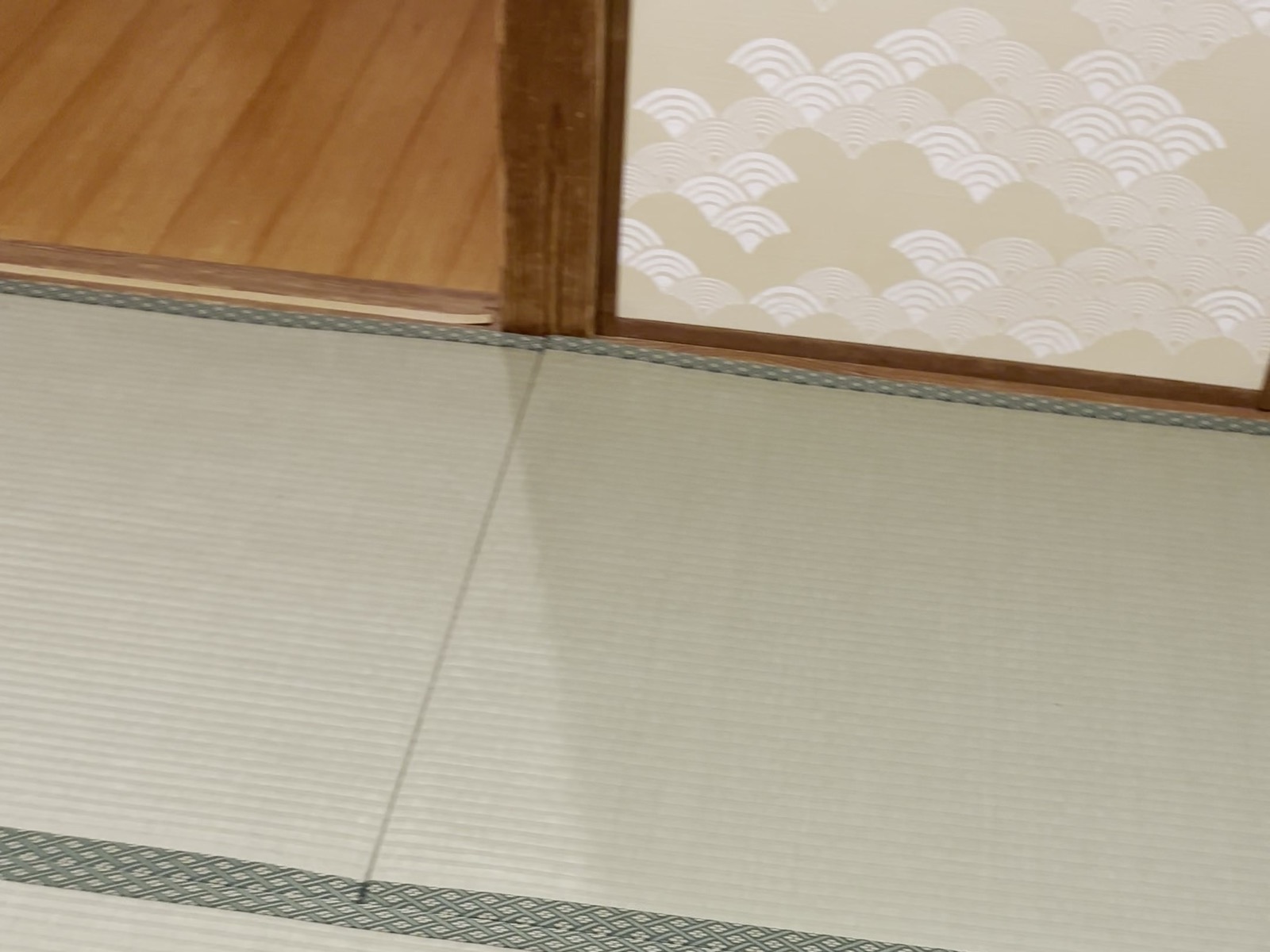
At a ryokan, shoes come off at the entrance and you change into slippers. Then the slippers come off too, before you step onto the tatami. The toilet usually has its own pair of slippers (JNTO). Why so many changes? The shoes-off culture comes from a long history of sitting and sleeping on tatami (JNTO). You wouldn’t walk on your bed in shoes either.
My simple rule: take your shoes off wherever there’s a raised floor or slippers waiting.
For the walk to the bath, many guests change into the yukata in their room first (JNTO). Whether you can wear it outside the ryokan depends on the place, so if in doubt, ask. The staff will be happy to help (JNTO).
Bonus: staying in too long
The water can be very hot. Dip a toe in first and take breaks (JNTO). As a guide, around 30 minutes is about the most you should stay in, and an onsen is no place for drinking. Afterwards there are usually water coolers in the changing room, and JNTO even suggests a bottle of milk for extra authenticity points (JNTO).
Your onsen checklist
- Sit down and wash your whole body before you get in.
- Small towel stays out of the water. Long hair tied up.
- No swimmers, unless the bath says so.
- Jewellery stays in your room.
- Tattoo? Check before you book, or book a private bath.
- Slippers off before the tatami.
Rather have locals design the whole trip, from the route to the ryokan? Book a free 45-minute Japan Roadmap call with Joshua. First time in Japan? Start here. Starting in Tokyo? Grab our free Tokyo guide.
Onsen FAQ
Do you have to be naked in an onsen?
In most onsen, yes. Baths are usually separate for men and women, and you go in without clothes. A few shared baths ask for a swimsuit or a yuami-gi bathing garment. If you’d rather not bathe with strangers, book a private kashikiri-buro or a room with its own bath (JNTO).
Can you go in an onsen with tattoos?
It depends on the place. Many hot springs still don’t allow tattoos, but there are exceptions. Check before you book, cover a small tattoo with a waterproof bandage, or book a private bath (JNTO).
How long should you stay in an onsen?
Not long. JNTO suggests around 30 minutes at most, and taking breaks because the water can be very hot (JNTO onsen guide; JNTO manners guide).
More on customs is in Etiquette & culture. Enjoy the hot water.
Joshua & Momoka